
The Ultimate Guide to Feeding Your Pet Garden Snails
A healthy diet is one of the most important parts of keeping pet garden snails happy and thriving. Whether you’re caring for a Cornu aspersum (Garden Snail), Helix pomatia (Roman Snail), or another land snail species, providing a balanced diet will promote healthy growth, strong shells, and an active lifestyle.
Snailysnail
7/16/20263 min read
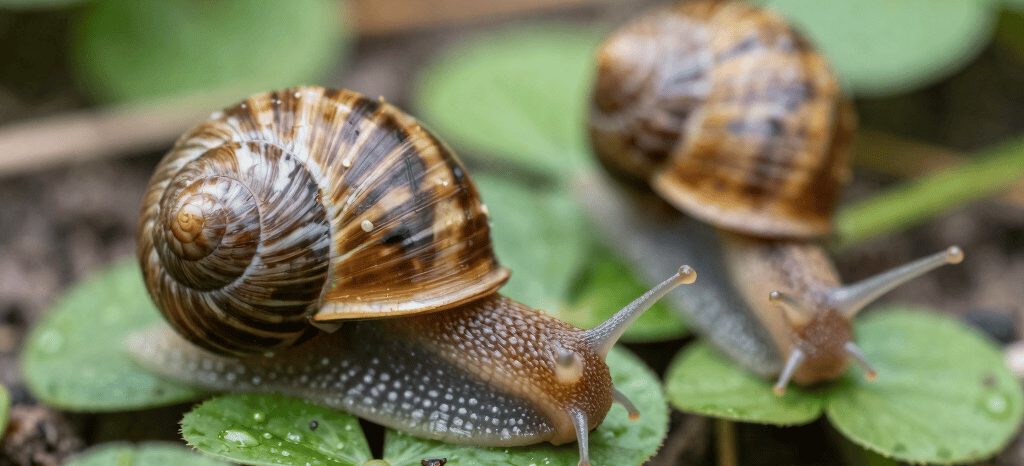
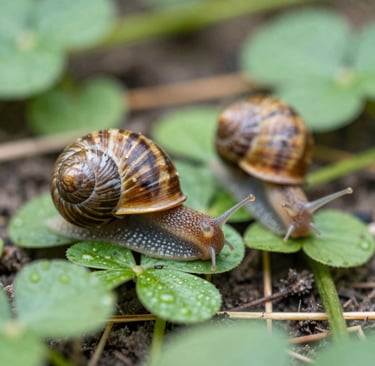
A healthy diet is one of the most important parts of keeping pet garden snails happy and thriving. Whether you’re caring for a Cornu aspersum (Garden Snail), Helix pomatia (Roman Snail), or another land snail species, providing a balanced diet will promote healthy growth, strong shells, and an active lifestyle.
If you’re wondering what to feed your pet snail, this guide covers everything you need to know.
What Do Pet Garden Snails Eat?
Garden snails are natural herbivores that enjoy a wide variety of fresh vegetables, leafy greens, flowers, and occasionally fruit. In the wild, they spend much of their time grazing on plants, fallen leaves, and decaying organic matter.
Offering a varied diet helps ensure your snail receives a wide range of vitamins and minerals.
Best Vegetables for Snails
Vegetables should make up the majority of your snail’s diet.
Great choices include:
Romaine lettuce
Green leaf lettuce
Kale
Collard greens
Mustard greens
Dandelion leaves
Cucumber
Zucchini
Carrots
Sweet potato
Bell peppers
Squash
Rotate different vegetables throughout the week to provide nutritional variety.
Fruits: A Special Treat
Most snails enjoy fruit, but because fruits contain natural sugars, they should be offered only occasionally.
Safe fruits include:
Apple (without seeds)
Pear
Strawberry
Blueberries
Watermelon
Melon
Mango
Papaya
Offering fruit once or twice a week is usually enough.
Foods to Avoid
Some foods can be harmful to pet snails and should never be fed.
Avoid:
Citrus fruits (orange, lemon, lime, grapefruit)
Onion
Garlic
Rhubarb
Avocado
Salty foods
Processed foods
Bread
Pasta
Rice
Sugary snacks
Anything seasoned or cooked
If you’re unsure whether a food is safe, it’s best to leave it out.
Protein Matters Too
Although garden snails are primarily herbivores, they also benefit from small amounts of protein.
Protein supports:
Healthy shell growth
Muscle development
Egg production
Juvenile growth
Good protein sources include:
High-quality snail food
Fish flakes (without copper)
Rehydrated dried mealworms
Specialized snail protein mixes
Adult snails generally need protein once or twice per week, while growing juveniles may benefit from slightly more frequent feedings.
Don’t Forget Calcium
Calcium is essential for building and maintaining a strong shell. Without enough calcium, shells can become thin, soft, cracked, or deformed.
Always keep a calcium source available inside the enclosure.
Popular options include:
Your snail will consume calcium whenever it needs it.
How Often Should You Feed?
Most pet snails should have access to fresh food every day.
A simple feeding routine looks like this:
Daily
Fresh vegetables
Calcium available at all times
Fresh drinking and misting water
Once or Twice Weekly
Protein supplement
Small fruit treat
Remember to remove uneaten food after about 24 hours to prevent mold, bacteria, and unwanted pests.
Why Variety Is Important
Just like people, snails benefit from eating different foods instead of the same meal every day.
Rotating vegetables, greens, protein sources, and occasional fruits helps provide balanced nutrition while keeping mealtime interesting.
A varied diet can also encourage picky eaters to explore new foods.
A Convenient Feeding Solution
If you’re looking for an easy way to provide balanced nutrition, our Snaily Complete Weekly Diet was developed specifically for pet land snails.
Available in formulas for both adult and juvenile snails, each blend contains carefully selected natural ingredients to complement a diet of fresh vegetables and calcium. It’s a convenient way to provide supplemental nutrition without the guesswork of mixing ingredients yourself.
We still recommend offering fresh vegetables daily, but our complete diet makes it easy to provide a balanced weekly feeding routine.
Keep the Enclosure Clean
Healthy feeding habits also mean keeping the enclosure clean.
Remove uneaten food daily to reduce mold growth and fruit flies. Many snail keepers also use springtails and isopods as a natural clean-up crew to help break down organic waste and maintain a healthier bioactive habitat.
If you’d like to learn more, check out our article:
“Snail Enclosure Clean-Up Crew: Why Springtails and Isopods Are a Game Changer.”
Final Thoughts
Feeding your pet garden snail doesn’t have to be complicated. Focus on fresh vegetables, provide a constant calcium source, supplement with protein once or twice a week, and offer fruit only as an occasional treat.
By maintaining a varied, balanced diet and keeping the enclosure clean, you’ll help your snail develop a strong shell, stay active, and enjoy a long, healthy life.
Whether you’re caring for your very first garden snail or building a thriving colony, good nutrition is one of the best investments you can make in your snail’s well-being.